In oncology, we are trained to deliver hope alongside difficult truths. We speak about survival rates, probabilities, and outcomes. In conflict settings, those terms lose stability. What does survival mean when hospitals…
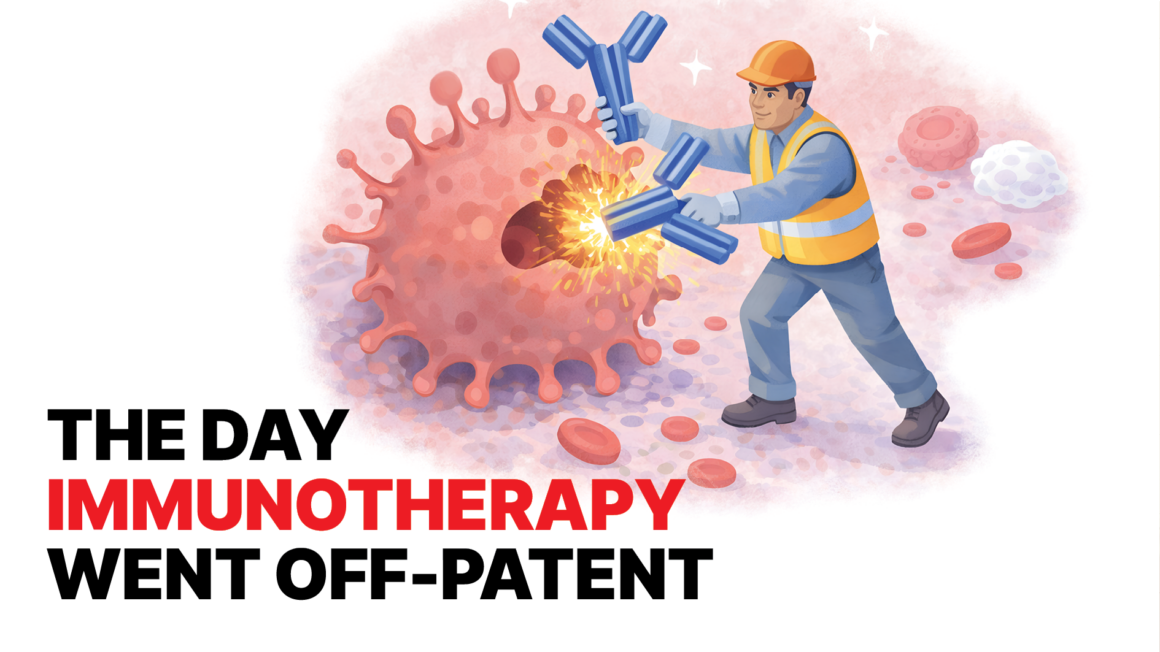
In oncology, some milestones arrive with applause. Others arrive quietly. This year, one of the most important cancer drugs of the modern era begins to lose its monopoly. Nivolumab, one of the…
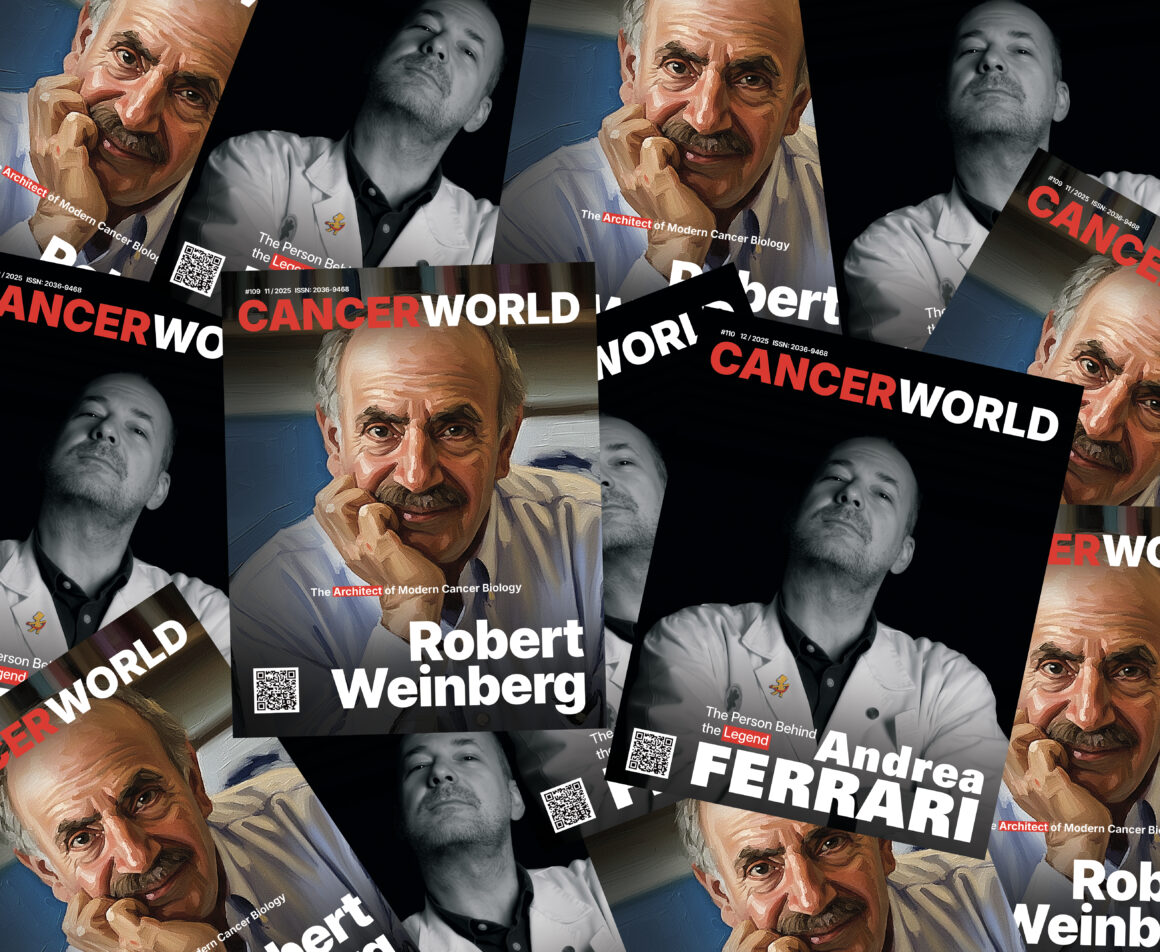
Scientific discovery drives oncology forward, but progress only truly begins when knowledge is turned into action. Every issue of CancerWorld explores the people, ideas, and systems shaping the future of oncology. Scientific…
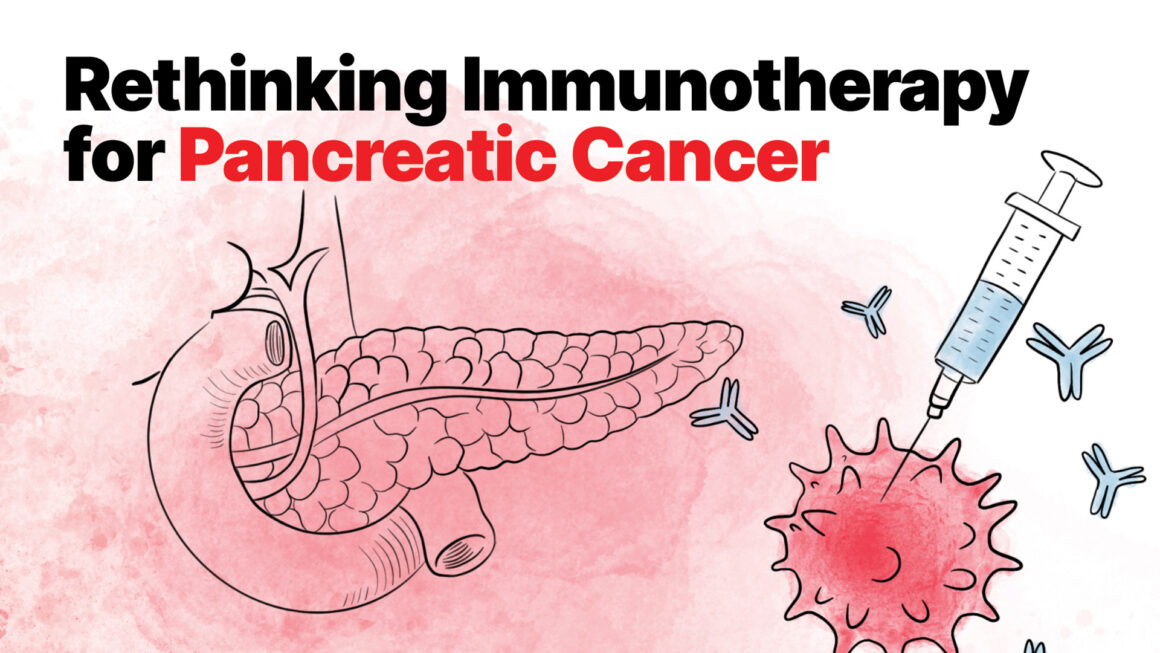
Chimeric antigen receptor natural killer T (CAR-NKT) cell therapy, a novel form of immunotherapy, is emerging as a promising ‘off-the-shelf’ treatment for patients with pancreatic cancer. In a study published in PNAS, November…
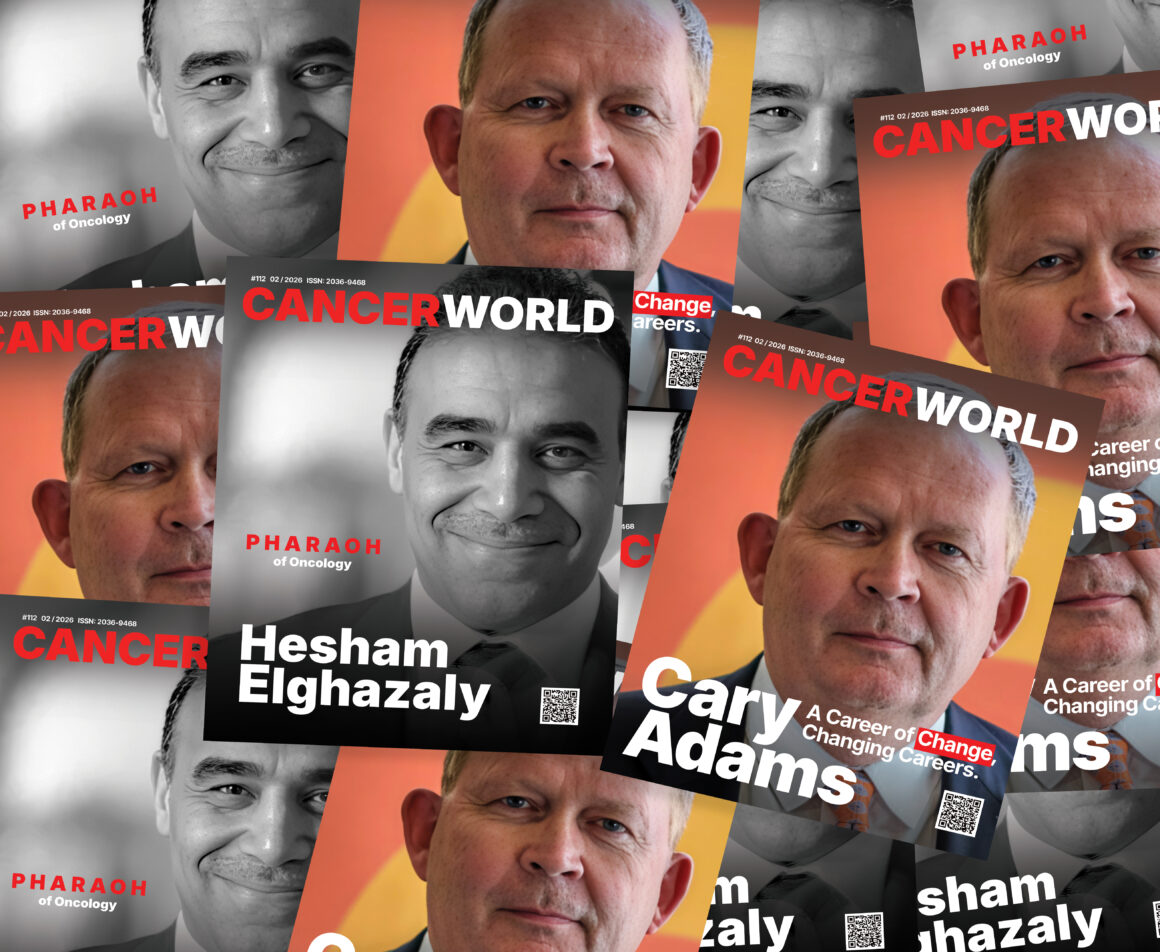
Where progress is measured not just in science, but in vision, leadership, and care. Every issue of CancerWorld explores people, policies, and practices shaping the future of oncology. In our February issue…
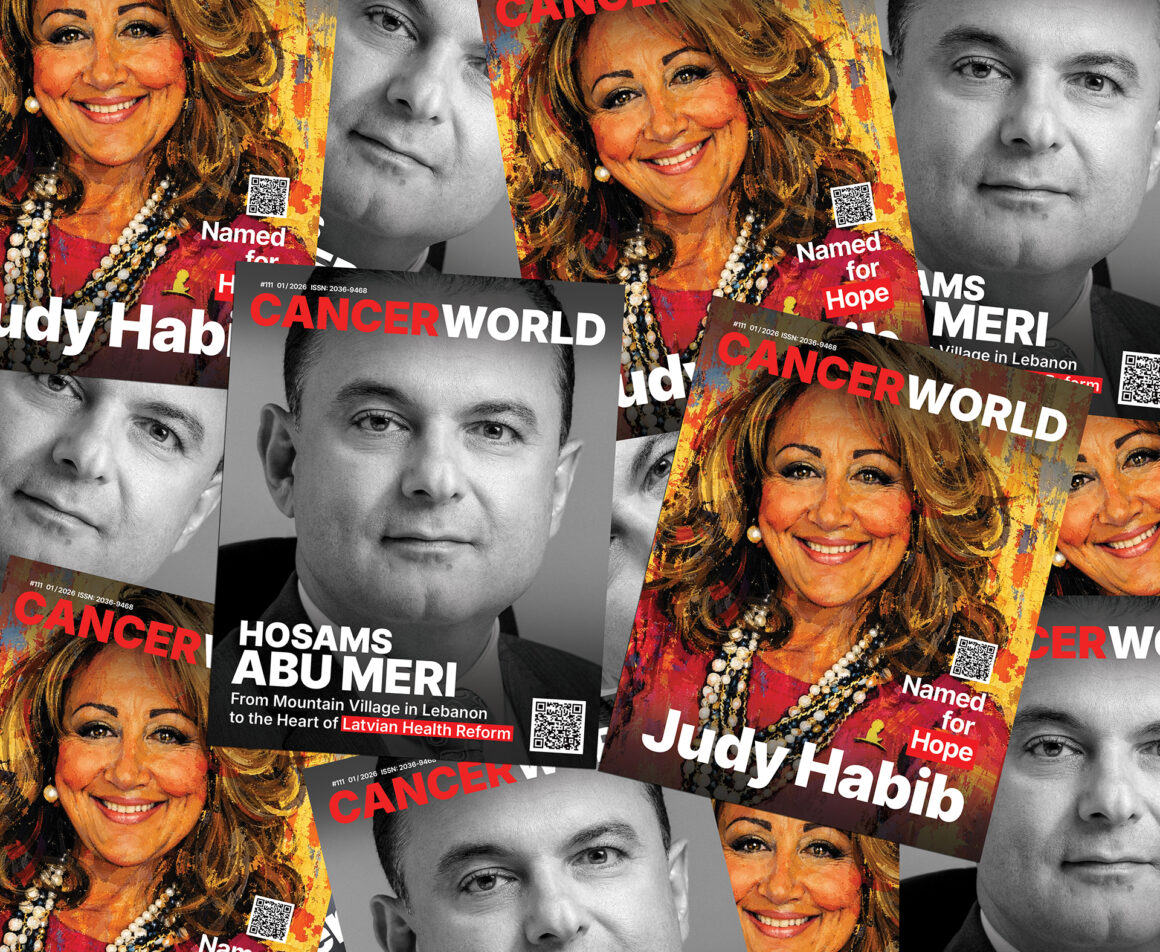
Where progress is shaped by story, and leadership is measured by service Every issue of CancerWorld explores the terrain where science meets humanity, where personal history informs public responsibility, and where progress…
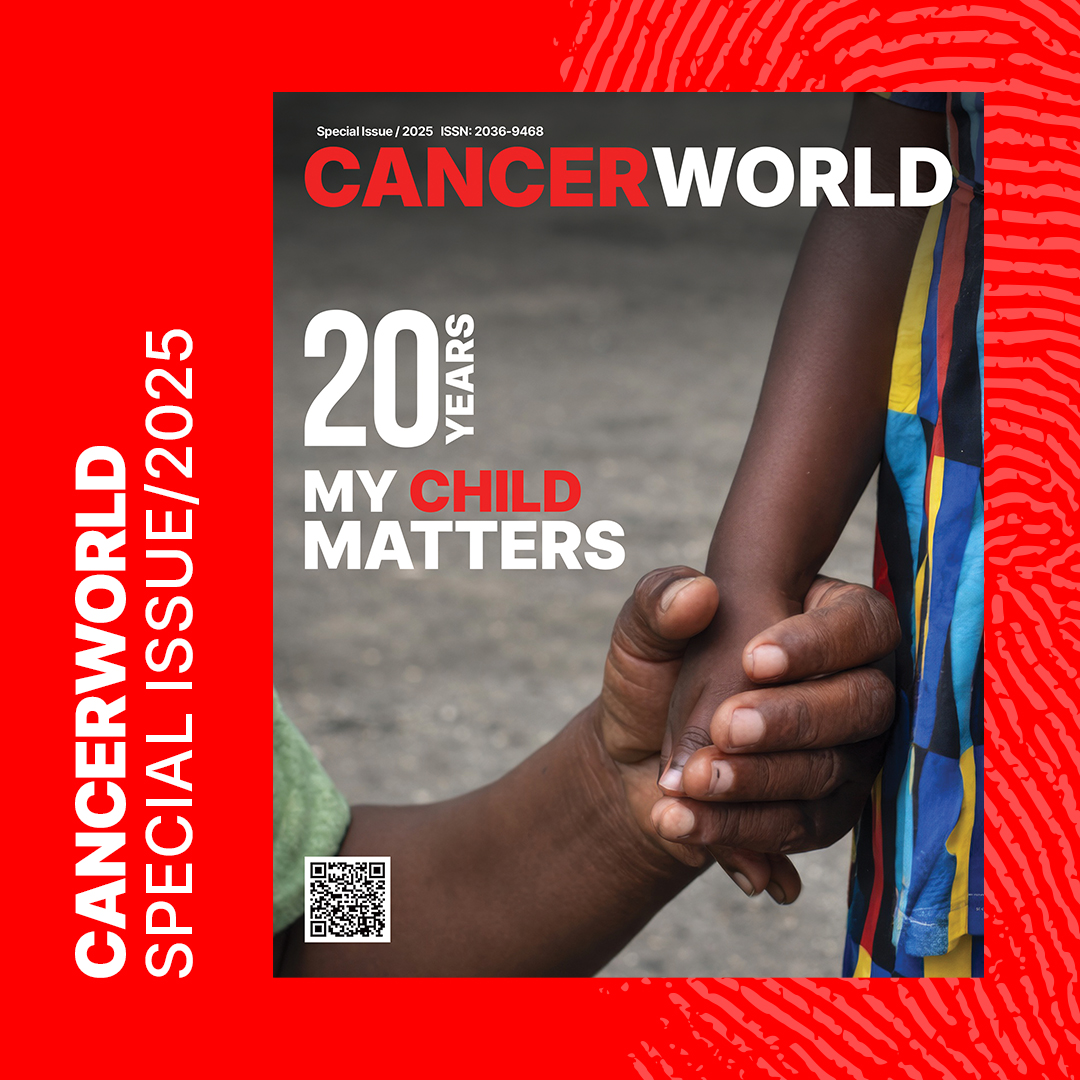
Twenty years ago, the My Child Matters (MCM) program was launched by the Sanofi Espoir Foundation (today Foundation S). This program aimed to improve access to treatment for children and their families…
Where progress is redesigned with purpose and delivered back to those who need it most Every issue of CancerWorld explores the places where science meets humanity, where personal stories reshape public systems,…
An AI model has been trained using mammograms to identify breast cancer patients who could be spared from unnecessary lymph node biopsy procedures. The study, published in NPJ Digital Medicine, 10 July,…
Twenty-seven species of bacteria and fungi among the hundreds that reside in human mouths have been collectively linked to people having a 3.5 times greater risk of developing pancreatic cancer. Among these,…