A non-invasive prostate cancer combination test has been shown to have a positive predictive value of 93%*, meaning that out of 100 patients testing positive for prostate cancer 93 will truly have…
Response to therapeutics can differ widely from patient to patient, with some gaining highly significant survival benefits from a therapy that in others elicits no response at all. Patients who respond initially…
Over half of men initially managed with active surveillance (AS) for ‘low risk’ prostate cancer switch within four years to definitive treatments (e.g., surgery or radiation therapy). The Canadian study, published in…
Less than one third of men with metastatic castration-sensitive prostate cancer (mCSPC) received established treatment intensification by 2018 that had been demonstrated to extend survival. The US study evaluating real-world utilization of…
Loneliness among middle-aged men is associated with increased risks of developing cancer. The longitudinal Finnish study, published in the May issue of Psychiatry Research, additionally found mortality was higher among male cancer…
Five years ago, the idea of national screening programmes for prostate cancer had gone cold. The benefits of PSA (prostate specific antigen) blood testing, introduced as a screening tool in the 1980s,…
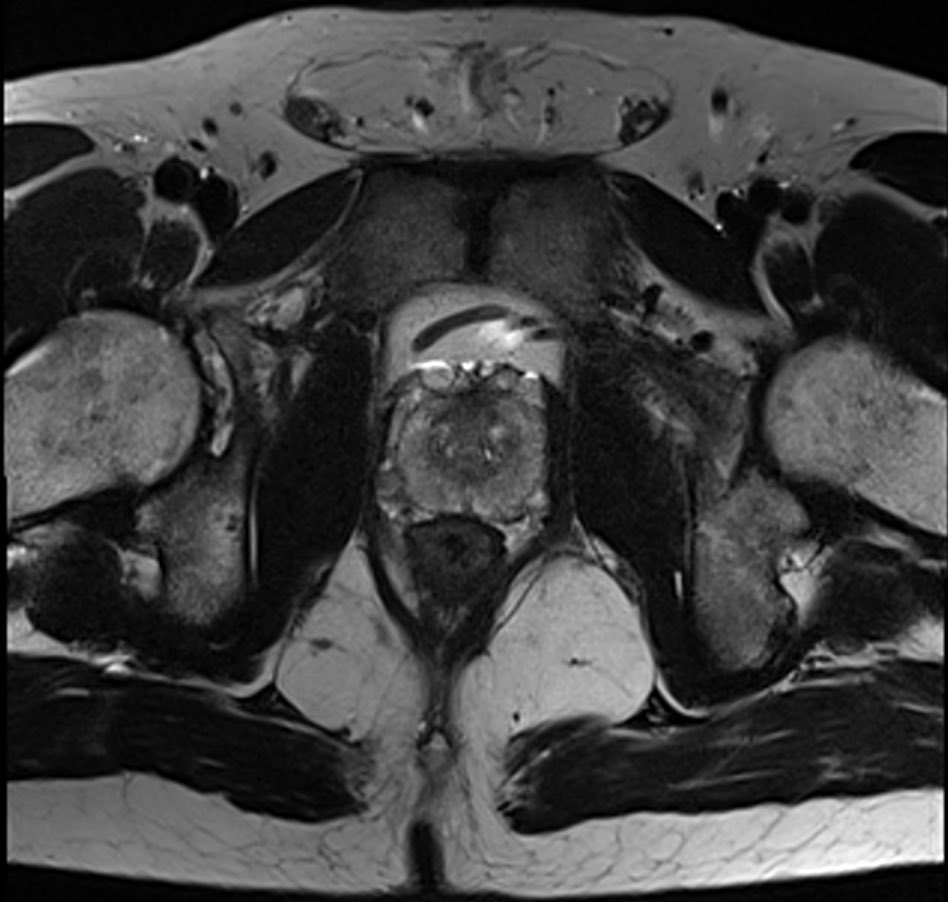
Using biparametric (bp) magnetic resonance imaging (MRI) to screen for prostate cancer identified twice as many clinically significant cancers as standard prostate-specific antigen (PSA) tests. Moreover, the UK study, reported in JAMA…
Drinking several cups of coffee every day may be linked to a lower risk of developing prostate cancer. The meta-analysis study, published in BMJ Open, (11 January) found that each additional daily…
A decade ago, men with metastatic prostate cancer could typically expect to live two to three years. The arrival of new hormone drugs such as abiraterone radically changed the odds, and the…
Prolonged androgen deprivation therapy (ADT) exposure was found to be associated with reduced cardiorespiratory fitness (CRF) and increased cardiovascular (CV) mortality. The study, published in JACC: CardioOncology, emphasizes the need to consider…